Top Inflammatory Foods to Avoid for Better Recovery
Imagine finishing a tough workout and feeling proud of yourself. But the next day, your muscles ache, you feel tired, and it’s hard to get moving. The culprit might not just be your training; it could be the food you’re eating!
Some foods cause inflammation in your body. Inflammation can slow down recovery, prolong muscle soreness, and even impact your overall health. The good news? By following an anti-inflammatory diet and avoiding specific trigger foods, you can help your body recover more quickly and feel stronger.
What is Inflammation?
Inflammation is your body’s natural defense mechanism against injury, infection, or toxins. Acute inflammation is helpful because it allows the body to heal. However, chronic inflammation, which occurs when your immune system is consistently activated, can damage tissues and interfere with recovery.
Nutrition plays a major role in inflammation. Some foods promote it, while others help reduce it. By identifying the foods that cause inflammation, you can protect your body, recover faster, and feel stronger during your workouts.
What Are the Top Inflammatory Foods to Avoid for Better Recovery?

1. Processed and Refined Sugars
Sugary foods and drinks are among the leading contributors to chronic inflammation. Soda, candy, pastries, and even certain flavored coffees cause blood sugar spikes, which lead to the release of pro-inflammatory chemicals called cytokines.
Why it matters for recovery: High sugar intake can increase oxidative stress, slow muscle repair, and negatively affect your insulin response, which is crucial for nutrient absorption post-workout.
Better alternatives: Choose whole fruits like berries or apples for a natural sweet fix. They provide antioxidants, fiber, and vitamins without the inflammatory impact.
Think sugar is harmless? See what happens when you eat more than your body can handle.
2. Refined Carbohydrates
White bread, white rice, pastries, and other refined grains are quickly digested, causing sharp rises in blood sugar and insulin. Over time, this pattern promotes systemic inflammation.
Why it matters for recovery: Elevated blood sugar levels can lead to prolonged soreness, slower glycogen replenishment in muscles, and reduced endurance.
Better alternatives: Go for complex carbs like oats, quinoa, brown rice, and sweet potatoes. These support stable energy levels and are great additions to an anti-inflammatory diet.
3. Fried and Deep-Fried Foods
French fries, fried chicken, and other deep-fried favorites contain trans fats and advanced glycation end-products (AGEs), both known to promote inflammation.
Why it matters for recovery: These foods can impair blood flow, reduce nutrient delivery to muscles, and increase oxidative stress, making it more challenging for your body to recover after exercise.
Better alternatives: Oven-baked, air-fried, or lightly sautéed foods with healthy fats (like olive oil or avocado oil) are excellent substitutes.

4. Red and Processed Meats
Bacon, hot dogs, sausages, and certain cuts of red meat are high in saturated fats and additives that trigger inflammatory pathways.
Why it matters for recovery: Excessive intake can exacerbate joint inflammation, slow muscle repair, and negatively affect cardiovascular health.
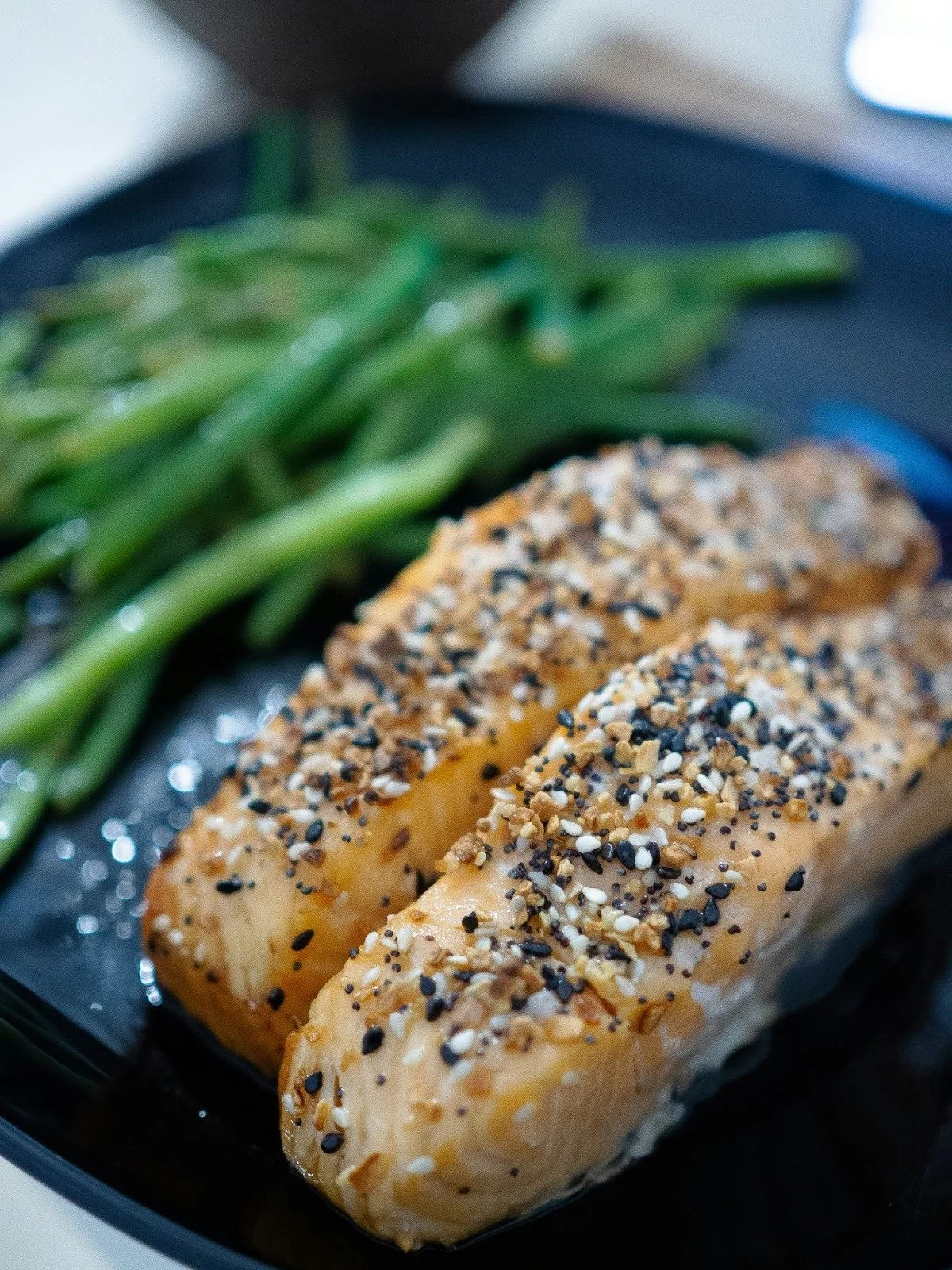
Better alternatives: Opt for lean protein sources like chicken, turkey, fish, or plant-based proteins such as lentils, beans, and tofu. Fatty fish like salmon or mackerel are particularly beneficial because they contain anti-inflammatory omega-3s.
5. Excessive Alcohol
Alcohol can disrupt gut health, increase oxidative stress, and elevate inflammatory markers in the body.
Why it matters for recovery: Drinking alcohol post-workout can slow muscle protein synthesis, dehydrate you, impair sleep quality, and extend soreness.
Better alternatives: Limit alcohol, especially around training days. Hydrate with water, herbal teas, or electrolyte drinks to support optimal recovery.
6. Artificial Additives and Preservatives
Many packaged foods contain additives, preservatives, and artificial sweeteners that can trigger inflammation in sensitive individuals. These include monosodium glutamate (MSG), aspartame, and certain coloring agents.
Why it matters for recovery: These substances can disrupt gut health and increase systemic inflammation, indirectly affecting muscle repair and energy levels.
Better alternatives: Focus on whole, minimally processed foods with clean labels. Fresh vegetables, fruits, nuts, seeds, and high-quality proteins are your best bet.
7. Excessive Omega-6 Fatty Acids
While omega-6 fatty acids are essential in moderation, an imbalance with omega-3s can promote inflammation. Common sources include soybean oil, corn oil, and many processed snacks.
Why it matters for recovery: Overconsumption can trigger inflammatory pathways, impair recovery, and exacerbate joint discomfort.
Better alternatives: Increase omega-3 intake with foods like salmon, walnuts, chia seeds, and flaxseeds, while reducing highly processed oils.
8. Certain Dairy Products
Dairy products, especially those from conventionally raised animals, can promote inflammation in some people, particularly those who are lactose intolerant or sensitive to casein (a milk protein).
Why it matters for recovery: Dairy-induced inflammation can cause bloating, joint discomfort, and slower recovery from workouts.
Better alternatives: Choose grass dairy and dairy from A2 cows is easier for most people to digest. Dairy alternatives like almond milk, oat milk, or lactose-free options can also be helpful if you have trouble digesting milk, and consider incorporating fermented dairy like Greek yogurt or kefir, which contains probiotics to support gut health and inflammation reduction.
Related Articles:
Optimizing Your Meals: Nutrient Timing for Muscle Gain And Fat Loss
Is a Nutrition Coach the Right Option for You?
Counting Macros and Why You Should Try It!
Nutrition Support for Better Recovery at CrossFit Sanitas
Fuel your body for better performance and faster recovery with our expert nutrition guidance. At CrossFit Sanitas, we provide personalized nutrition coaching to help you make smart food choices, plan balanced meals, and reduce inflammation.
By combining nutrition with targeted training and recovery strategies, we help you stay strong, energized, and consistent on your fitness journey. Join us today to get started!
Practical Tips to Reduce Inflammatory Foods
Avoiding foods that are inflammatory doesn’t mean compromising flavor. Here’s how to make the shift easier:
Plan your meals: Preparing your own meals ensures you control ingredients and avoid hidden sugars, unhealthy fats, and additives.
Read labels: Look for hidden sugars, trans fats, and preservatives in packaged foods.
Balance your plate: Include lean protein, healthy fats, complex carbs, and plenty of colorful vegetables.
Cook at home: Baking, steaming, grilling, or stir-frying with olive or avocado oil reduces inflammatory compounds compared to deep-frying.
Stay hydrated: Adequate water intake supports nutrient transport and flushes inflammatory byproducts from your body.
Anti-Inflammatory Swaps for Recovery
Instead of soda: Drink sparkling water with fresh fruit.
Instead of pastries: Enjoy overnight oats with berries and nuts.
Instead of fried chicken: Try oven-baked chicken with herbs and olive oil.
Instead of bacon: Use turkey bacon or smoked salmon in moderation.
Instead of refined oils: Cook with olive oil, avocado oil, or coconut oil.
Refined oils make meals convenient… but at a cost. Here’s the smarter, healthier switch.
The Takeaway
Inflammation isn’t always obvious, but it impacts your recovery, energy, and long-term health. By cutting down on top inflammatory foods like processed sugars, refined carbs, fried foods, excessive red meat, alcohol, and additives, you give your body what it needs to recover quickly and perform at its best.
Pair this approach with nutrient-rich, anti-inflammatory foods, proper hydration, and smart training strategies, and you’ll notice faster recovery, reduced fatigue, and better overall well-being.
Recovery isn’t just about rest; it’s about feeding your body what it truly needs. Make the conscious choice today to cut down on inflammatory foods and fuel your progress like a pro.