
Why Zone 2 Cardio Is Essential for CrossFit Athletes
CrossFit is known for its intensity. Heavy lifts, explosive Olympic movements, fast gymnastics, and breathless metabolic conditioning dominate most workouts. While this high-intensity approach builds power, strength, and resilience, many CrossFit athletes overlook one critical component of long-term fitness and performance: Zone 2 cardio.
At first glance, slow and steady cardio may seem out of place in a sport built on intensity. However, Zone 2 training is not about replacing hard workouts; it’s about supporting them. When programmed correctly, Zone 2 cardio enhances endurance, accelerates recovery, and enables athletes to perform better during high-intensity CrossFit workouts.
Let’s break down what Zone 2 cardio is, why it matters, and how CrossFit athletes can use it effectively.
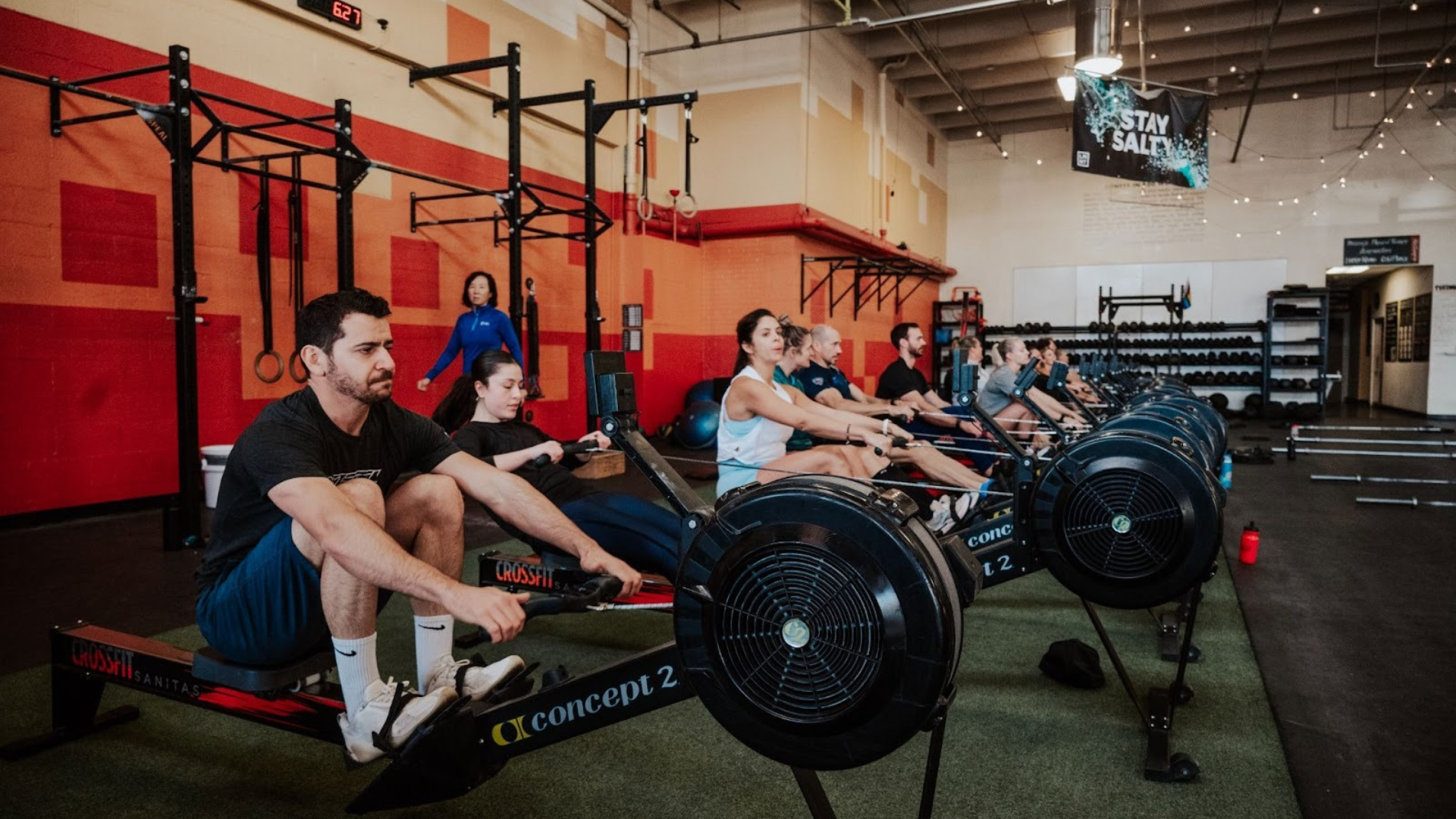
What Is Zone Two Cardio?
Zone 2 cardio refers to aerobic exercise performed at a moderate, sustainable intensity. It typically sits at about 60–70% of your maximum heart rate. In this zone, breathing is elevated but controlled, and you should still be able to hold a conversation in short sentences.
Unlike high-intensity intervals or all-out conditioning workouts, Zone 2 training primarily relies on the aerobic energy system, utilizing oxygen to produce energy efficiently over extended periods.
Common Zone 2 activities for CrossFit athletes include:
Easy rowing
Steady cycling
Jogging or brisk walking
Ski erg at a controlled pace
Low-intensity assault bike sessions
The key is consistency and control, not speed or distance.
Get to know: CrossFit for Beginners: What to Expect in Your First Class
Role of Aerobic Fitness in CrossFit
CrossFit is often associated with short, intense workouts, but the aerobic system plays a major role in nearly every workout.
Even during high-intensity workouts:
The aerobic system helps you recover between sets
It clears lactate so you can keep moving
It supports repeated efforts during longer workouts
It allows you to sustain pace instead of burning out early
This is why CrossFit aerobic training is so important. Without a strong aerobic base, strength and skill eventually hit a ceiling.
Zone 2 cardio builds that base.
Learn: Is CrossFit better than a normal gym?
Why Zone 2 Cardio is Good for CrossFit Athletes
1. Builds a Strong Aerobic Base
One of the biggest benefits of Zone 2 cardio is improved aerobic efficiency. Zone 2 training increases mitochondrial density, the structures inside muscle cells responsible for energy production.
This leads to:
Better endurance
Improved work capacity
Less fatigue during long or repeated-effort workouts
This aerobic base supports everything from longer AMRAPs to multi-round chipper workouts.
2. Improves Recovery Between High-Intensity Efforts
CrossFit workouts often involve repeated bursts of high effort. Athletes with strong aerobic conditioning recover faster between lifts, sprints, and gymnastics movements.
Zone 2 cardio:
Improves blood flow
Enhances oxygen delivery to muscles
Clears metabolic byproducts more efficiently
As a result, you feel less “gassed” and can maintain better form throughout the workout.
Fast recovery isn’t luck. Here’s how CrossFit athletes train their bodies to bounce back stronger.
3. Allows You to Train More Without Overtraining
High-intensity training stresses the nervous system, joints, and connective tissues. Too much intensity without enough recovery leads to burnout, plateaus, or injury.
One of the most overlooked zone 2 training benefits is that it allows athletes to:
Increase training volume without excessive stress
Promote active recovery on rest days
Support long-term consistency
Because Zone 2 sessions are low-impact and controlled, they help CrossFit athletes stay healthy while still building fitness.
4. Enhances Performance in MetCons
Many athletes struggle with pacing in workouts. They start too fast, spike their heart rate, and crash halfway through.
Zone 2 cardio teaches:
Better breathing control
Improved pacing awareness
Efficiency under fatigue
Athletes with strong aerobic conditioning can stay composed during workouts, transition faster, and finish stronger, especially in longer workouts.
5. Supports Fat Metabolism and Body Composition
Zone 2 training relies heavily on fat as a fuel source. Over time, it improves your body’s ability to use fat efficiently, which helps preserve glycogen for high-intensity efforts.
Benefits include:
Improved energy management
Better endurance during longer sessions
Support for healthy body composition
For athletes training multiple times per week, this metabolic efficiency is a major advantage.
6. Reduces Injury Risk
High-intensity training, when performed constantly, increases wear and tear on joints, tendons, and muscles. Zone 2 cardio places minimal stress on the body while still improving cardiovascular fitness.
It helps by:
Increasing circulation to soft tissues
Supporting joint health
Promoting recovery without impact
This makes Zone 2 an excellent option during deload weeks or between heavy training cycles.
Most CrossFit injuries don’t happen by accident. Here’s how to stop the most common one.
Why CrossFit Athletes Often Avoid Zone 2 Cardio
Despite its benefits, many athletes skip Zone 2 training because:
It feels “too easy.”
It doesn’t feel like a workout
It lacks the competitive intensity of workouts
Progress is slower and less obvious
However, the effectiveness of Zone 2 cardio lies in long-term adaptation, not short-term exhaustion. Just because it doesn’t leave you on the floor doesn’t mean it isn’t working.
How to Implement Zone 2 Cardio in CrossFit Training
Determine Your Zone 2 Intensity
You can estimate Zone 2 using:
Heart rate monitoring (around 60–70% of max HR)
The talk test (able to speak in short sentences)
Rate of perceived exertion (RPE of 3–4 out of 10)
The goal is a steady, controlled effort, not pushing the pace.
Duration and Frequency
For most CrossFit athletes:
Sessions: 30–60 minutes
Frequency: 2–4 times per week
These sessions can be done:
On rest days
After strength work
As separate aerobic-focused sessions
Consistency matters more than intensity.
Best Modalities for CrossFit Athletes
Choose low-impact, cyclical movements:
Rowing
Bike erg
Assault bike (easy pace)
Ski erg
Jogging or incline walking
Rotate modalities to reduce overuse and stay mentally engaged.
Related Articles:
How Much Do CrossFit Gyms Cost
Why CrossFit Sanitas Is Boulder’s Best Choice for Functional Fitness
How to Choose the Right Gym for CrossFit in Boulder
Zone 2 Cardio vs High-Intensity Conditioning
Zone 2 cardio is not a replacement for CrossFit conditioning; it complements it.
| Zone 2 Cardio | High-Intensity MetCons |
|---|---|
| Builds aerobic base | Builds anaerobic power |
| Improves recovery | Improves peak output |
| Low stress | High stress |
| Sustainable long-term | Limited frequency |
Both are essential. The mistake is relying only on intensity while neglecting the aerobic foundation.

How Zone 2 Cardio Supports Long-Term Athlete Development
Better endurance, faster recovery, and long-term performance don’t come from constant intensity alone. CrossFit Sanitas designs our training with long-term athlete development in mind.
Zone 2 cardio helps our members build a strong aerobic base while staying healthy and consistent. Our coaches guide athletes on proper pacing, selecting the right cardio modality, and blending aerobic work with strength and skill training.
By focusing on sustainable fitness rather than constant intensity, we help our athletes recover more effectively, move more efficiently, and perform at a higher level over time. Join CrossFit Sanitas and experience smarter, long-term training built to support your goals.
Long-Term Benefits for CrossFit Athletes
Athletes who consistently include Zone 2 cardio often notice:
Improved stamina in longer workouts
Faster recovery between sessions
Better pacing and breathing
Increased training longevity
More consistent performance under fatigue
These improvements don’t happen overnight, but they compound over time.
Zone 2 cardio may not look impressive on the whiteboard, but it is one of the most powerful tools for improving CrossFit performance. By strengthening the aerobic system, athletes gain better endurance, faster recovery, and greater resilience both in training and competition.
For CrossFit athletes who want to train harder, recover smarter, and perform better long-term, Zone 2 cardio isn’t optional. It’s essential.