How to Build Muscle After Weight Loss: How Long It Really Takes
You’ve shed the pounds, and the scale looks great, but what’s next for your fitness journey? How do you regain the strength and muscle you may have lost along the way?
Weight loss can bring a sense of accomplishment, but it often comes with unintended muscle loss. The good news is that with the right approach, you can rebuild muscle, regain strength, and improve your overall fitness.
But how long does it actually take, and what steps matter most? Let’s break it down.
Why Muscle Matters After Weight Loss
When you lose weight, your body sheds both fat and muscle. Depending on your diet and exercise habits during weight loss, the proportion of muscle lost can vary. Muscle is critical because:
It boosts metabolism: More muscle means your body burns more calories at rest.
It improves strength and performance: Daily activities and workouts become easier and more effective.
It shapes your body: Muscle provides tone and definition, preventing a “skinny-fat” appearance.
It supports overall health: Strong muscles protect joints, improve posture, and enhance endurance.
Without a focused muscle-building strategy, it’s easy to regain fat instead of lean mass, negating some benefits of your weight loss efforts.
Steps to Build Muscle After Weight Loss
1. Set a Realistic Calorie Surplus
To build muscle, you need energy. Eating slightly more calories than your body burns (a moderate surplus of 200–500 calories per day) provides the fuel for growth. However, avoid excessive overeating, which can lead to fat gain.
Tip: Track your macros to ensure you’re getting enough protein, carbs, and healthy fats.
Learn how to calculate your macros and fuel your body the right way.
2. Prioritize Protein Intake
Protein is the building block of muscle. After weight loss, your body requires sufficient protein to repair and grow muscles. Aim for:
Target a daily protein intake of 1.6–2.2 g per kilogram of body weight.
Include clean sources like chicken, fish, grass-fed red meat, eggs, Greek yogurt, legumes, and protein powders.
Get to know: Why protein matters and how it shapes your fitness and health.
3. Focus on Strength Training
Muscle won’t grow without proper stimulus. A structured strength training program should include:
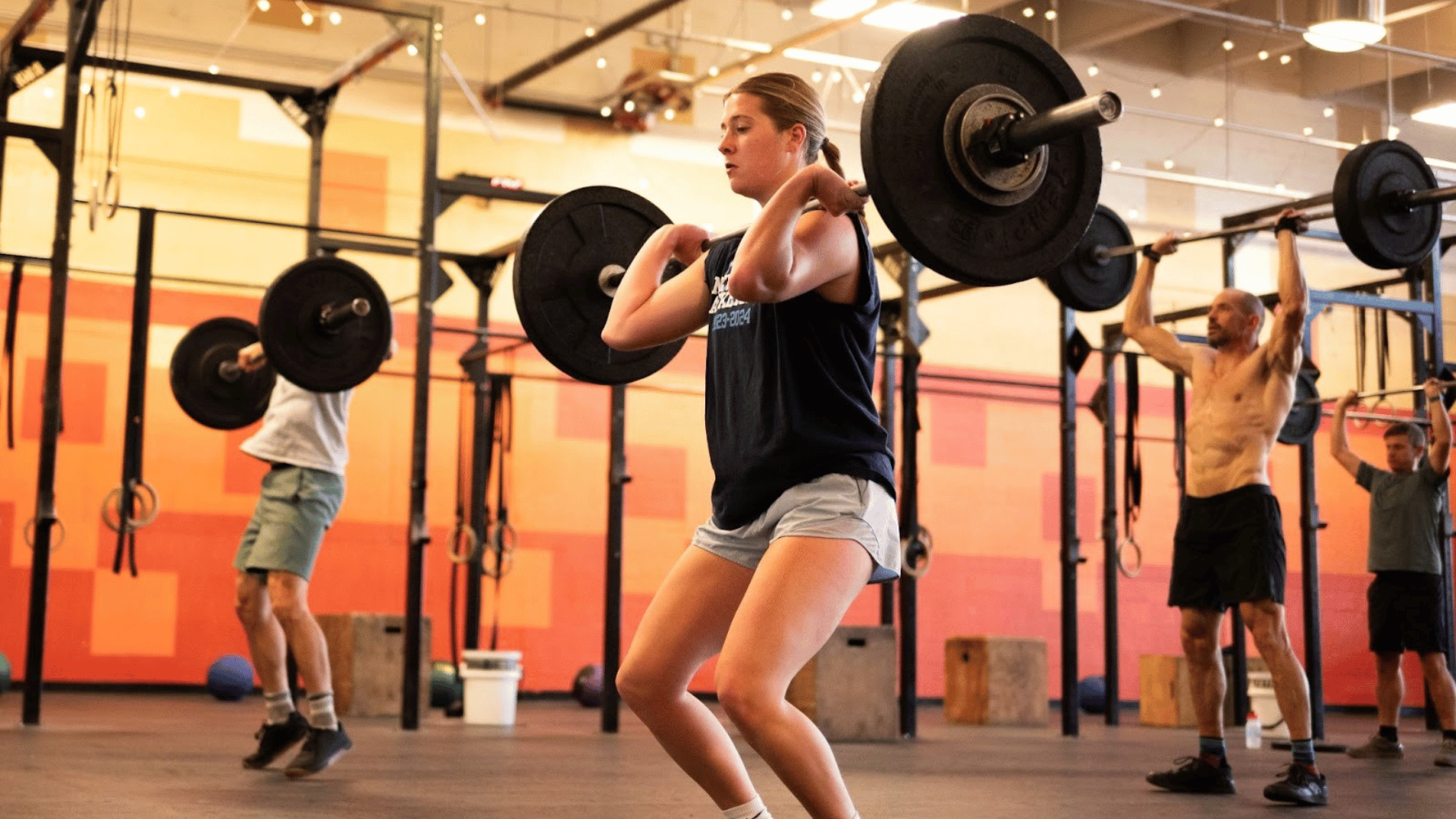
Compound movements: Squats, deadlifts, bench presses, pull-ups, and rows target multiple muscle groups.
Progressive overload: Gradually increase weight, reps, or sets to challenge muscles.
Frequency: Train each major muscle group 2–3 times per week for optimal growth.
4. Incorporate Rest and Recovery
Muscles develop while your body rests, not only during workouts. Make sure to:
7–9 hours of quality sleep per night
Rest days between intense workouts
Active recovery, like stretching, foam rolling, or light cardio
5. Stay Consistent and Track Progress
Building muscle after weight loss requires patience. Track:
Strength gains in your lifts
Muscle measurements or body composition changes
How your clothes fit and your overall energy levels
Expert Advice: If you’re wondering how to lose weight and gain muscle at the same time, don’t neglect smaller muscle groups. Training them can improve overall metabolism and strength.
How CrossFit Can Help You Build Muscle
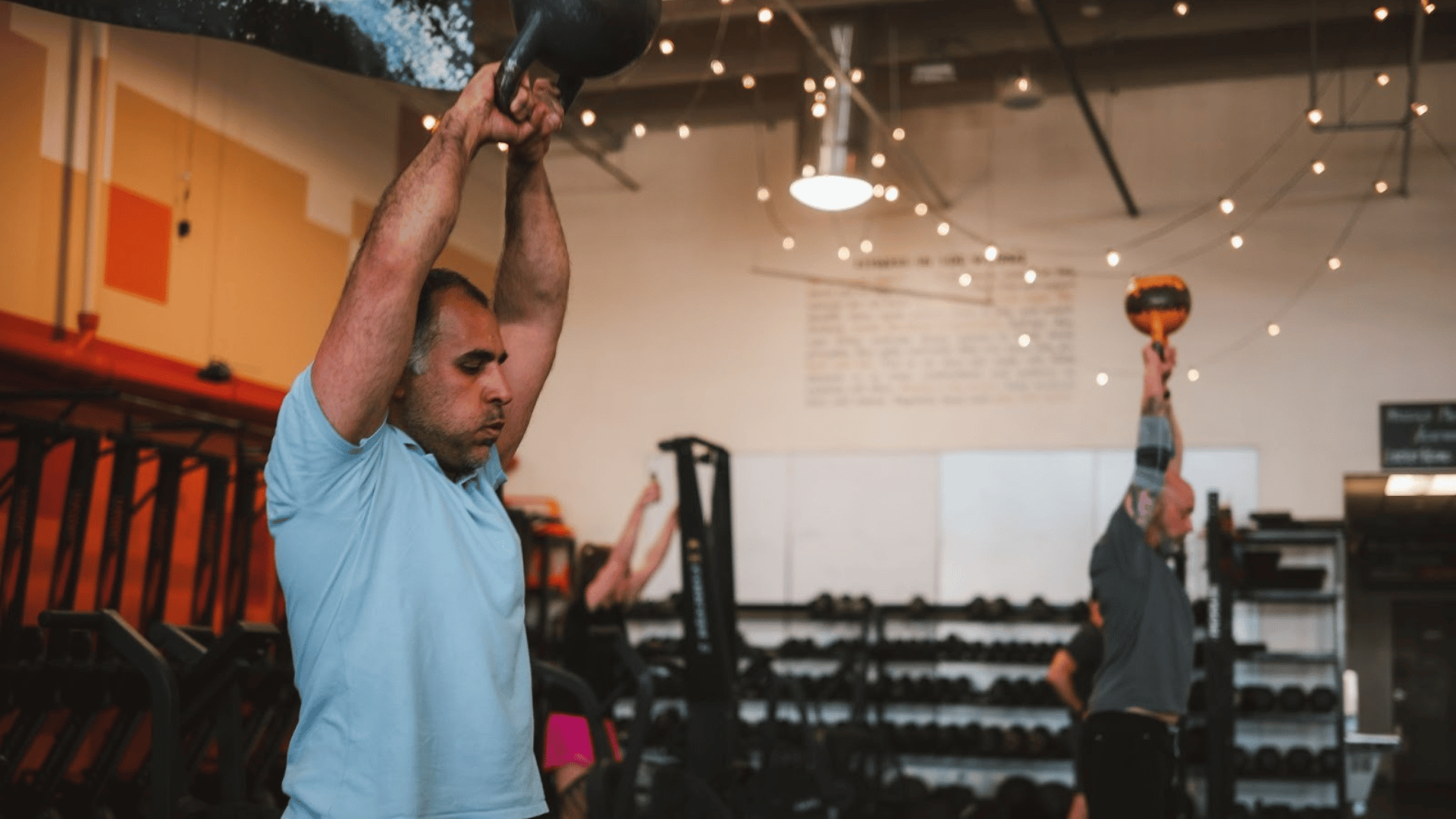
CrossFit combines high-intensity workouts, functional movements, and resistance training that are ideal for rebuilding muscle after weight loss. Benefits include:
Varied, full-body workouts that engage multiple muscle groups
Structured programming that promotes steady progress
Community support that keeps members motivated
Skill development that enhances strength, mobility, and confidence
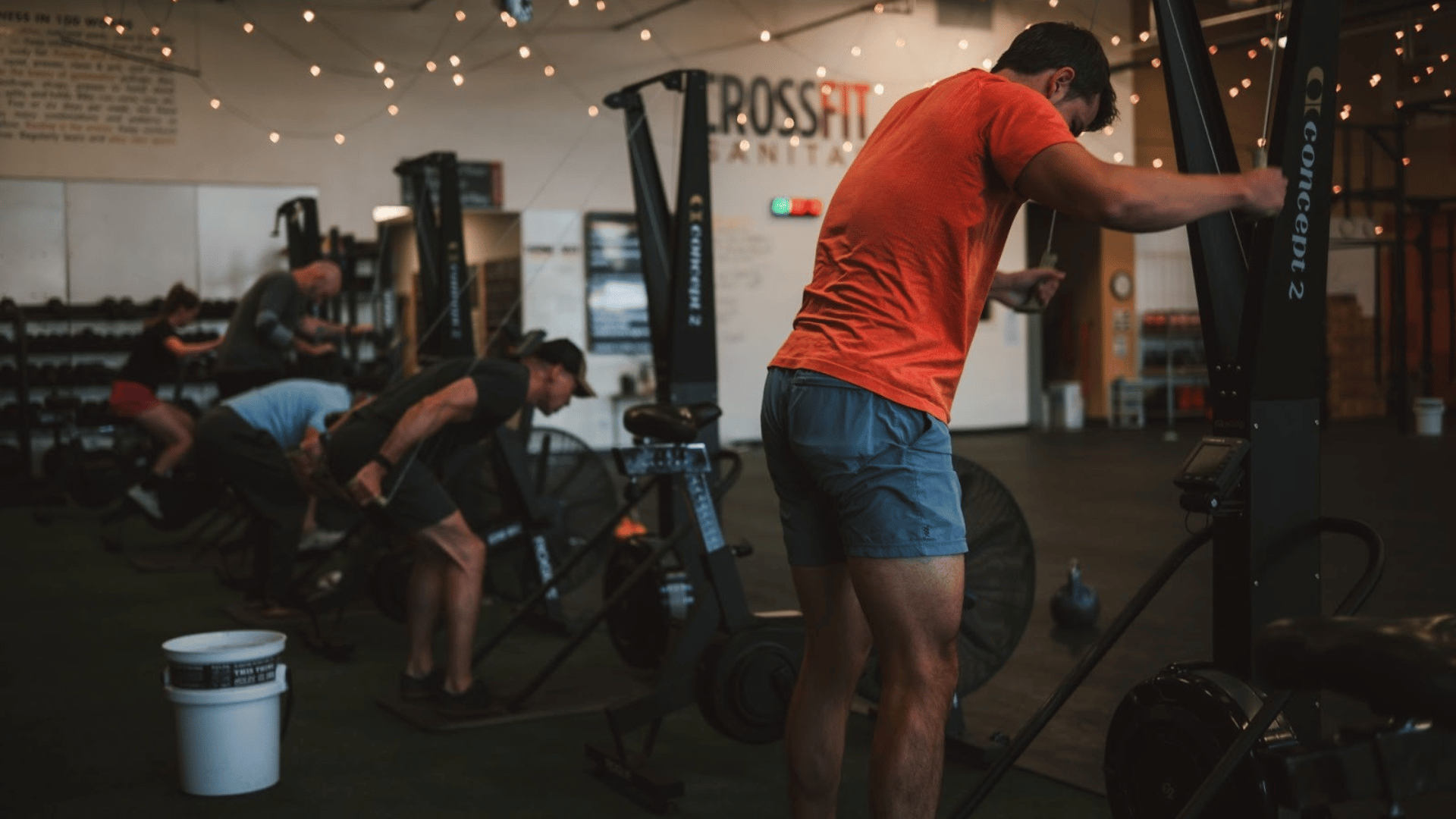
Note: Building muscle and strength works best with a structured approach that challenges all major muscle groups while supporting proper recovery and nutrition. CrossFit Sanitas guides members through varied, full-body workouts designed to stimulate growth, improve mobility, and enhance overall fitness.
With coaching and a motivating community, consistent effort leads to stronger muscles, increased endurance, and a healthier, more resilient body. Join us today and start building strength and confidence.
How Long Will It Take to Build Muscle?
Building muscle is a gradual process. The rate of growth depends on your experience, nutrition, training intensity, recovery, and genetics. Here’s a realistic overview:
1. Beginners see faster results: If you’re new to strength training, your body responds quickly to new stimuli. This rapid initial progress is often called “beginner gains.”
Most beginners see the majority of results within the first 4–6 months.
Typical muscle gain is about 2–3 pounds per month.
These gains occur because your nervous system and muscles are adapting rapidly to lifting.
2. Intermediate lifters progress more slowly: Once you’ve trained consistently for several months to a few years, muscle growth continues, but at a slower pace.
Expect 1–2 pounds of muscle per month.
Gains require more targeted training, progressive overload, and careful nutrition.
3. Advanced or seasoned lifters see gradual growth: Experienced athletes can still build muscle, but progress is slower and less dramatic.
Muscle gain may be around half a pound per month.
Every additional pound of muscle becomes harder to achieve, making training strategies and recovery even more important.
4. Other factors affect growth
Age, genetics, sleep, and stress levels all influence how quickly you gain muscle.
Nutrition, especially protein intake and calorie balance, plays a crucial role.
Training intensity, frequency, and recovery determine how effectively your body builds muscle over time.
Many wonder, “Is it better to lose weight than build muscle?” The truth is, it depends on your current body composition and goals. Fat loss first can help reveal existing muscle, while muscle building boosts metabolism.
Fuel your gains and torch fat - learn exactly when to eat for maximum results!
Expected Results Timeline
Here’s a realistic outlook for someone following a structured plan:
| Timeframe | Expected Progress |
|---|---|
| 0–4 weeks | Neuromuscular adaptation; strength improvements; minimal visible changes |
| 4–8 weeks | Early signs of muscle tone; improved performance |
| 8–12 weeks | Noticeable muscle growth; enhanced metabolism; clothing fits better |
| 3–6 months | Significant strength gains; visible muscle definition; sustainable habits |
| 6–12 months | Major transformation; leaner, stronger, and healthier body |
Remember, everyone’s timeline varies. Genetics, age, and training history influence the rate of muscle gain.
Related Articles:
Sauna vs. Cold Plunge: Which Recovery Option Works Best?
How to Lose Excess Body Fat & Keep it Off
How Eating Slower Can Help You Lose Body Fat
Common Challenges and How to Overcome Them
Slow Progress
It’s normal for muscle gain to feel slow compared to fat loss. Overcome this by focusing on strength improvements rather than just aesthetics. Small, consistent gains add up over time.
Plateauing
If gains stall, consider:
Adjusting calories slightly upward
Varying your workout routine
Increasing intensity or volume gradually
Maintaining Muscle While Continuing Fat Loss
If you’re still in a fat-loss phase, muscle gain may be slower. You can prioritize protein, resistance training, and recovery to minimize muscle loss while losing fat.
Building muscle after weight loss is not just about aesthetics; it’s about creating a stronger, healthier, and more resilient body. By combining proper nutrition, structured training, and patience, you can transform your weight loss into lasting strength and confidence. Remember, it’s a journey, not a race, and every small gain counts toward your long-term goals.