Best Ways to Stay Consistent With CrossFit Training
Consistency is the single most important factor in long-term success with CrossFit training. Results don’t come from one great workout or a short burst of motivation; they come from showing up week after week, even when progress feels slow.
Many athletes start CrossFit excited and committed, but over time, life schedules, fatigue, plateaus, or minor setbacks can make consistency difficult. The good news is that staying consistent is a skill that can be developed.
With the right strategies, habits, and environment, CrossFit can become a sustainable part of your routine rather than something you start and stop repeatedly. Below are the best CrossFit training tips to stay consistent and continue making progress over the long term.
How to Stay Consistent With CrossFit Workouts
Set Clear, Realistic Goals
One of the biggest reasons people fall off track is unclear or unrealistic expectations. If your goal is too vague, it’s easy to lose focus. If it’s too aggressive, burnout often follows.
Instead of saying, “I want to get fit,” set specific and measurable goals, such as:
Attend four CrossFit classes per week for three months
Improve squat or deadlift numbers by a certain amount
Perform your first pull-up or double-under
Improve conditioning benchmarks like rowing or running times
Clear goals give your training purpose and help you measure progress beyond how you feel on a given day.
Commit to a Weekly Training Schedule
Consistency improves when CrossFit becomes part of your routine rather than something you fit in when time allows. Choose specific days and class times each week and treat them like appointments.
Many athletes succeed by:
Training at the same time each day
Scheduling workouts around work and family commitments
Blocking gym time on their calendar
A structured CrossFit training plan reduces daily decision-making and makes skipping workouts less likely.
Confused about RX in CrossFit? Learn what it means and why it matters for every beginner!
Focus on Process, Not Perfection
Trying to train perfectly often leads to inconsistency. Missed workouts, bad days, or scaled movements are normal parts of CrossFit training. What matters most is returning the next day and continuing the process.
Instead of aiming for perfect attendance or constant PRs:
Aim to be consistent over months, not days
Accept that energy and performance will fluctuate
Focus on effort and quality of movement
Progress is rarely linear. Staying consistent through ups and downs is what leads to lasting improvement.
Scale Appropriately and Avoid Burnout
Many athletes quit CrossFit because they push too hard, too soon. Overtraining, nagging injuries, and constant soreness can make training feel unsustainable.
Scaling workouts correctly helps you:
Recover better between sessions
Maintain good movement patterns
Train more frequently without burnout
Scaling is not a setback; it’s a strategy for longevity. Athletes who train at appropriate intensities tend to stay consistent far longer than those who chase intensity every session.
Track Progress Beyond the Scale
If you rely only on body weight or appearance for motivation, consistency can suffer. Progress in CrossFit often shows up in many forms before physical changes become obvious.
Track indicators such as:
Strength gains
Improved technique
Faster recovery between workouts
Increased confidence with movements
Better endurance during longer workouts
Recognizing these improvements reinforces consistency even when visual changes take time.
Build Accountability Through Community
Training alone can make it easier to skip workouts. Community creates accountability, support, and motivation, especially during challenging weeks.
Ways the community helps consistency:
Training partners notice when you’re absent
Coaches provide encouragement and guidance
Group classes make workouts more engaging
Shared effort builds commitment
Being part of a supportive CrossFit gym often becomes one of the strongest reasons athletes continue training consistently.
Prioritize Recovery and Sleep
Consistency isn’t just about training harder; it’s about recovering well enough to train again. Poor sleep and inadequate recovery quickly lead to missed workouts and reduced motivation.
Key recovery habits include:
Getting consistent, quality sleep
Staying hydrated
Managing stress levels
Taking rest days when needed
When recovery improves, training feels more manageable, making consistency far easier to maintain.
Get to know: Signs of Overtraining in CrossFit and How to Avoid It
Accept Plateaus as Part of the Process
Every CrossFit athlete experiences plateaus. Strength numbers stall, conditioning feels stuck, or motivation dips. Plateaus don’t mean training isn’t working; they’re a normal phase of adaptation.
Staying consistent during plateaus requires:
Trusting structured programming
Focusing on movement quality
Giving adaptations time to develop
Avoiding constant program hopping
Athletes who stay patient through plateaus often experience stronger breakthroughs later.
Use Coaching as a Long-Term Resource
Effective coaching plays a crucial role in achieving long-term consistency. Coaches help athletes adjust their loads, correct movement patterns, and manage training volume according to individual needs.
Regular coaching feedback:
Reduces injury risk
Improves confidence
Keeps training productive
Helps athletes stay engaged
When athletes feel supported and guided, they’re more likely to continue training consistently.
Make CrossFit Part of Your Lifestyle
Consistency improves when CrossFit aligns with your lifestyle instead of competing against it. Nutrition, recovery habits, work schedules, and family commitments all affect training adherence.
Simple lifestyle strategies include:
Preparing meals to support training energy
Choosing class times that fit long-term
Communicating training priorities with family
Adjusting intensity during busy weeks
CrossFit doesn’t need to be all-or-nothing. Flexible consistency is more sustainable than rigid expectations.
Related Articles:
Why CrossFit Sanitas Is Boulder’s Best Choice for Functional Fitness
How to Choose the Right Gym for CrossFit in Boulder
Why Does Form Matter More Than the Weight You Lift in CrossFit?
Looking to Stay Consistent With CrossFit?
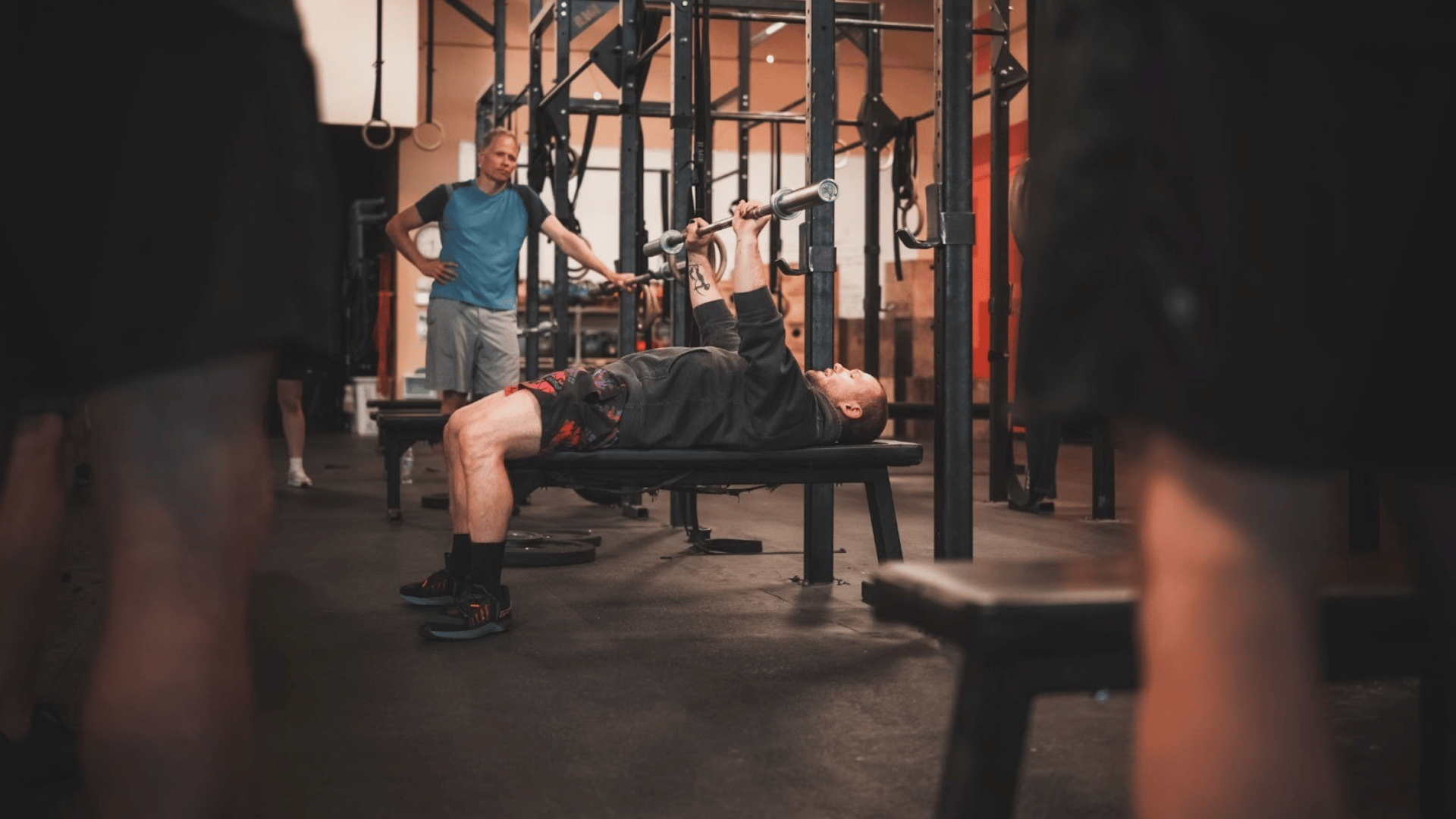
At CrossFit Sanitas, we understand that staying consistent can be challenging, but consistency is what leads to lasting results. That’s why our programs are designed to support you, no matter where you’re starting from or how you’re feeling on a given day.
We offer functional strength training five days a week, and every class includes a lower-intensity strength option. If you’re sore, tired, or just need to slow things down, you can still come in, move your body, and train safely at a comfortable pace.
We also offer a variety of training options so you can find what works best for you:
Functional Strength for everyday strength and movement
Women’s Strength focused on confidence and long-term fitness
Olympic Lifting to build skill and proper technique
Endurance training to improve stamina and recovery
All classes are coach-led, so you’re never on your own. Our coaches help you move safely, adjust workouts to your level, and progress when you’re ready. You’ll also be part of a supportive community that keeps you motivated and accountable.
At CrossFit Sanitas, we’re not about quick fixes. We help you build healthy habits that last one workout at a time.
Train smart. Stay consistent. Join CrossFit Sanitas today.
Staying consistent with CrossFit training isn’t about willpower alone. It’s about systems, habits, and support. Clear goals, proper scaling, structured programming, recovery, and community all play a role in long-term success.
When CrossFit is approached with patience and intention, it becomes more than a workout; it becomes a reliable part of a healthy lifestyle. Consistency doesn’t mean training perfectly; it means continuing to show up, adapt, and move forward over time.